Inclusion & Diversity
Lavington Tennis & Pickleball Club is proud to offer adaptive rules and inclusive opportunities for integrated programs and events. We are committed to fostering an inclusive and diverse environment where players of all backgrounds, abilities, and identities feel welcomed, respected, and valued.
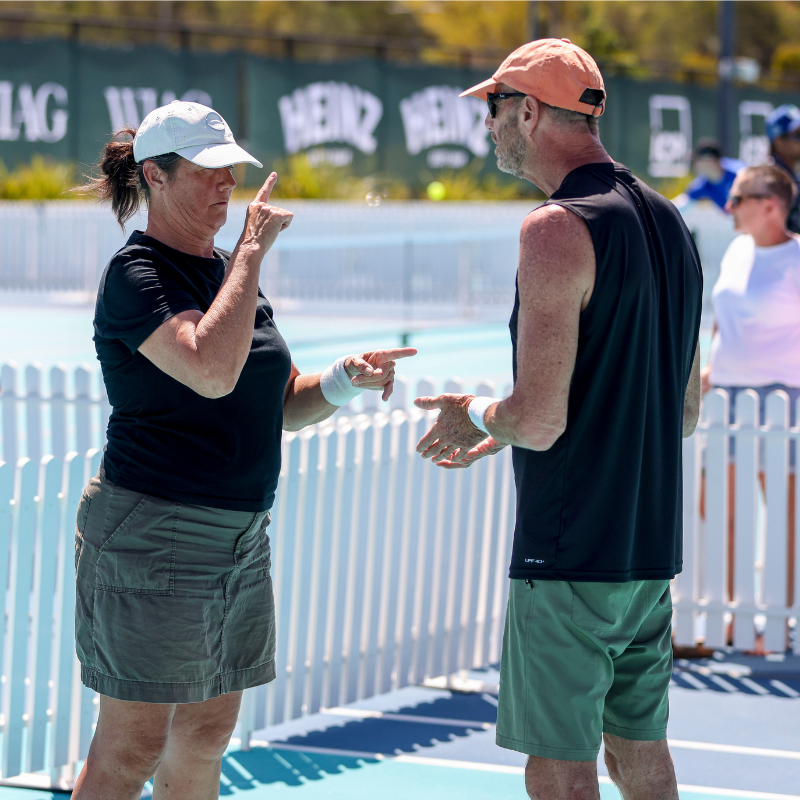
We celebrate the diversity of our players, recognising that each individual brings unique perspectives, skills, and stories to our community. We embrace diversity in all its forms. Whether you have mobility issues, deaf/hard of hearing, intellectual differences, or other needs, we can adapt game-play to create a welcoming and enjoyable experience.
Para Pickleball is an adaptive version of the sport with additional rules for players with physical and intellectual disabilities. The sport also adheres to specific Para Pickleball classifications to ensure fairness and accessibility for all participants.
-
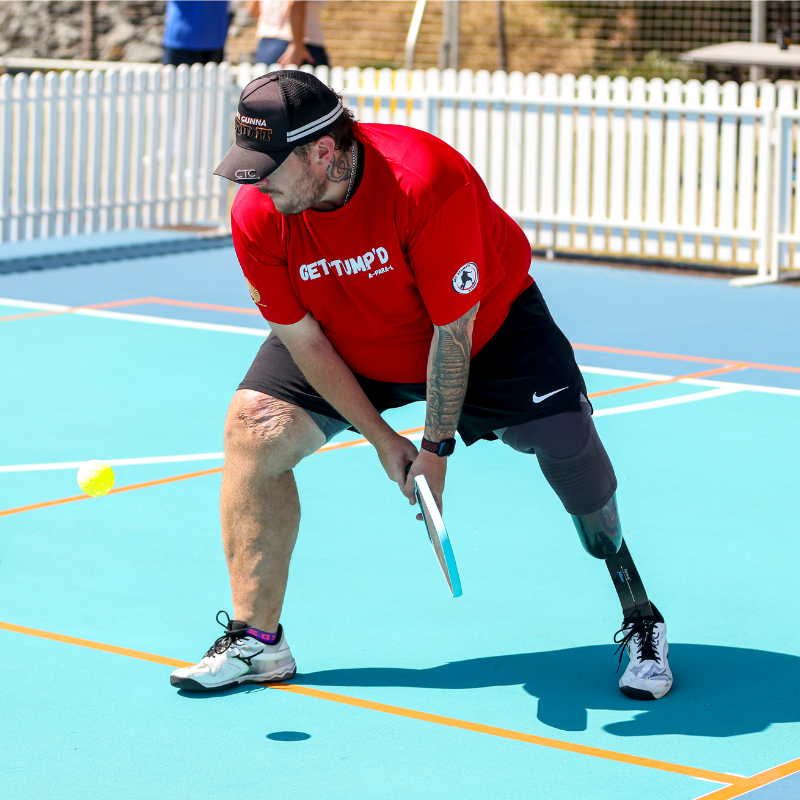
Adaptive Standing Players - Must have a permanent physical disability that significantly affects their mobility, balance, or coordination, and not use a wheelchair during play. Including Amputee, Parkinsons, Multiple Sclerosis, Cerebral Palsy, Spina Bifida, Stroke, Neurological or Orthopedic Conditions that affect movement coordination, severe balance limitations, or Spinal Cord Injury with ambulatory function.
-
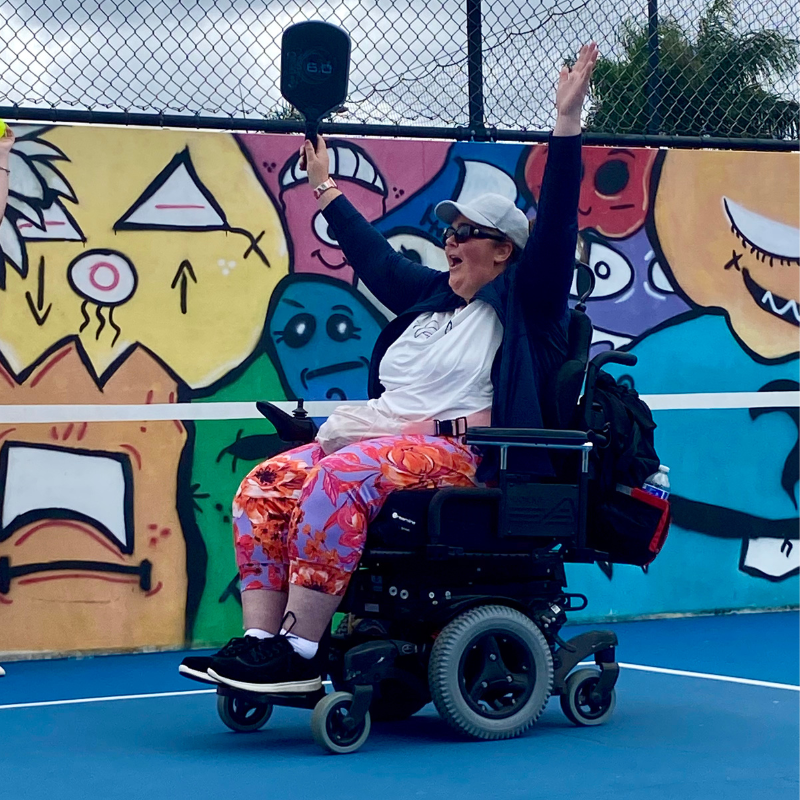
Wheelchair - An eligible wheelchair player is any person, with or without a disability, who plays the game in a wheelchair.
-
Intellectual - Including Autism Spectrum Disorder, Global Developmental Delay, Down Syndrome.
-
Short Stature - Including those with forms of dwarfism or conditions that affect height and limb proportions.
-
Deaf or Hard of Hearing - Hearing loss of at least 55dB in the better ear.
Adaptive rules provide everyone the opportunity to get moving, build friendships, and be part of the pickleball community.
Example 1: the two-bounce rule at the start of the game applies (the ball must bounce only once on either side of the court after the serve). After the two-bounce rule, players in wheelchairs can have up to 2 bounces to return the ball. A wheelchair is considered part of the players body, however the front (smaller) wheels may touch the non-volley zone during a volley.
Example 2: Hybrid Pickleball combines a player with a disability and a player without a disability as doubles teams. The player with a disability follows the adapted rules (see above), while the player without a disability follows the standard rules.
Pickleball NSW has some fantastic information about rules and how to adapt games at: Para Pickleball
Partners


We Support